Stevanato Group: Pharma Packaging & Biotech Technology Guide
Stevanato Group is an Italy-based company operating across the pharmaceutical, biotechnology and healthcare industries. Its activities cover areas including pharmaceutical drug containment, drug delivery systems, medical and diagnostic solutions, analytical testing, visual inspection, and manufacturing equipment.
The company is particularly associated with pharmaceutical primary packaging, including glass vials, cartridges, syringes and ampoules. It also develops technologies and equipment used in pharmaceutical manufacturing and inspection processes.
Understanding Stevanato Group provides useful insight into how pharmaceutical products move from development and manufacturing toward safe containment, inspection and delivery.
What Is Stevanato Group?
Stevanato Group operates across several parts of the pharmaceutical and biotech manufacturing ecosystem.
Its portfolio includes:
- Drug containment systems
- Drug delivery devices
- Pharmaceutical packaging technologies
- Medical and diagnostic products
- Visual inspection equipment
- Assembly and packaging equipment
- Glass-converting technologies
- Analytical and testing capabilities
- Digital manufacturing technologies
The company's integrated approach connects packaging components with manufacturing technologies and drug delivery systems.
Why Pharmaceutical Packaging Matters
Pharmaceutical packaging is more than a container for a medicine. Primary packaging comes into direct contact with the drug and therefore plays an important role in maintaining product quality and stability.
For injectable medicines and biologics, packaging considerations can include:
- Material compatibility
- Container integrity
- Sterility requirements
- Chemical stability
- Mechanical strength
- Particulate control
- Storage conditions
- Manufacturing consistency
- Regulatory requirements
Stevanato Group states that its drug containment portfolio is designed around pharmaceutical and biopharmaceutical requirements and includes glass and pharmaceutical polymer solutions.
Stevanato Group Drug Containment Solutions
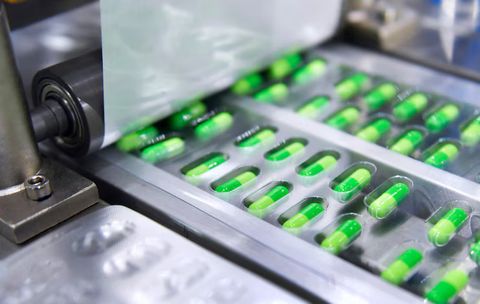
Drug containment is one of the company's major areas of activity. Its portfolio includes several primary container formats used in pharmaceutical applications.
Pharmaceutical Vial Systems
Glass vials are widely used for injectable pharmaceutical products and biologics. They can accommodate different capacities and configurations depending on the formulation and manufacturing requirements.
Stevanato Group produces vial systems in different formats, including ready-to-use and bulk configurations.
Pharmaceutical Cartridges
Cartridges are another important primary packaging format, particularly for drug delivery systems such as pen injectors.
The company's cartridge portfolio includes different configurations intended for pharmaceutical, biotechnology and dental applications.
Prefillable Syringe Systems
Prefillable syringes combine pharmaceutical containment with a delivery format. They can reduce certain preparation steps before administration and are used for a range of injectable medicines.
Stevanato Group describes glass and polymer prefillable syringe systems in sizes ranging from 0.5 mL to 5 mL, with different needle and closure configurations.
Ampoules
Ampoules are sealed glass containers used for pharmaceutical applications. They remain part of the company's broader drug containment portfolio.
Ready-to-Use Pharmaceutical Packaging
One important concept associated with Stevanato Group is ready-to-use, or RTU, pharmaceutical packaging.
The company's EZ-fill® platform includes ready-to-use vials, cartridges and syringes. According to the company, RTU packaging can simplify preparation activities associated with primary containers, including washing, depyrogenation, drying and sterilization.
Benefits of RTU Packaging
From a manufacturing perspective, ready-to-use packaging can help address several operational considerations:
- Aseptic manufacturing workflows
- Container preparation
- Manufacturing efficiency
- Packaging consistency
- Handling requirements
- Production planning
- Fill-and-finish operations
The exact benefits depend on the pharmaceutical process, facility design and applicable regulatory requirements.
Drug Delivery Systems
Pharmaceutical packaging and drug delivery are increasingly connected.
Stevanato Group's drug delivery portfolio includes technologies such as:
- Autoinjectors
- Pen injectors
- On-body delivery systems
- Optimized glass primary containers
- Contract manufacturing of devices
Its website identifies Aidaptus® autoinjectors, Alina® pen injectors, Deora™ pen injectors and Vertiva® on-body delivery systems within its drug delivery portfolio.
Autoinjector Technology
Autoinjectors are devices designed to assist with the administration of certain injectable medicines. Device design can involve mechanical components, container compatibility, ergonomics and injection performance.
Pen Injector Technology
Pen-based delivery devices are commonly associated with medicines requiring repeated or controlled injection. Their design involves interaction between the drug container, delivery mechanism and user interface.
Pharmaceutical Manufacturing Equipment
Stevanato Group also operates in pharmaceutical manufacturing technologies and equipment.
Its technology portfolio includes:
- Glass converting equipment
- Syringe forming lines
- Cartridge forming lines
- Vial forming lines
- Ampoule forming lines
- Assembly equipment
- Secondary packaging equipment
- Handling systems
- Labeling and serialization equipment
- Visual inspection systems
- Precision tooling
These technologies connect the production of pharmaceutical containers with downstream assembly, packaging and inspection processes.
Visual Inspection in Pharmaceutical Manufacturing
Quality control is an important part of pharmaceutical manufacturing.
Visual inspection systems can be used to examine pharmaceutical containers for potential defects or irregularities. Automated inspection technologies can support the examination of products at industrial production volumes.
Stevanato Group lists automatic, semi-automatic and manual inspection systems, as well as inspection technologies incorporating artificial intelligence.
Why Inspection Technology Matters
Pharmaceutical inspection can involve checking characteristics such as:
- Container appearance
- Visible particles
- Fill-related characteristics
- Glass defects
- Closure conditions
- Product presentation
- Manufacturing consistency
Inspection requirements vary according to the product, packaging format and applicable quality standards.
Analytical and Testing Capabilities
Pharmaceutical packaging must be evaluated for compatibility and performance because the container can interact with the pharmaceutical formulation.
Stevanato Group lists analytical capabilities including:
- Chemical analysis
- Container interaction studies
- Surface characterization
- Container performance
- Drug delivery system testing
- Tailored analytical testing
These areas can support pharmaceutical development and quality assessment.
Stevanato Group and Biopharmaceutical Manufacturing
The growth of biologics has increased the importance of specialized pharmaceutical packaging and delivery technologies.
Stevanato Group identifies several biologics-related market areas, including:
- Monoclonal antibodies
- GLP-1 and peptides
- RNA-based drugs
- Vaccines
- Antibody-drug conjugates
Biologic medicines can present different requirements from traditional small-molecule pharmaceuticals. Factors such as formulation sensitivity, viscosity, storage conditions and container interaction can influence packaging and delivery decisions.
Pharmaceutical Glass Technology
Glass remains an important material for pharmaceutical primary packaging.
Stevanato Group describes its drug containment portfolio as including Type I borosilicate glass and pharmaceutical-grade polymer solutions.
Why Borosilicate Glass Is Used
Type I borosilicate glass is widely used in pharmaceutical packaging because of characteristics such as:
- Chemical resistance
- Thermal resistance
- Transparency
- Dimensional stability
- Compatibility with pharmaceutical applications
However, selecting a packaging material requires evaluation of the specific drug formulation and manufacturing process.
Pharmaceutical Packaging and Serialization
Modern pharmaceutical manufacturing increasingly depends on traceability.
Serialization and labeling technologies can help connect pharmaceutical packaging with manufacturing and supply-chain information.
Stevanato Group includes labeling, packaging and serialization among its equipment capabilities. It also identifies glass primary container traceability as an area within its drug containment technologies.
Role of Technology in Pharmaceutical Quality Control
Advanced manufacturing technology is changing how pharmaceutical companies approach production and quality management.
Important technologies include:
Automation
Automation can support repetitive production and inspection processes while improving process consistency.
Artificial Intelligence
AI-based inspection can assist with identifying visual characteristics in high-volume manufacturing environments. Stevanato Group specifically identifies artificial intelligence within its inspection technology portfolio.
Digitalization
Digital manufacturing technologies can support data collection, process monitoring, traceability and production analysis.
Stevanato Group and Sustainability
Sustainability has become an important consideration in pharmaceutical manufacturing and packaging.
Stevanato Group identifies sustainability in product design and manufacturing among its capabilities and discusses responsible primary packaging development.
Potential areas of consideration include:
- Material efficiency
- Manufacturing efficiency
- Waste reduction
- Packaging design
- Production optimization
- Lifecycle considerations
Sustainability decisions in pharmaceutical packaging must still be balanced with product protection, regulatory requirements and patient safety.
Importance for the Pharmaceutical Industry
Stevanato Group illustrates how modern pharmaceutical manufacturing increasingly involves interconnected technologies rather than isolated packaging components.
The company's portfolio spans:
| Area | Examples |
|---|---|
| Drug containment | Vials, cartridges, syringes, ampoules |
| Drug delivery | Autoinjectors, pen injectors, on-body systems |
| Manufacturing | Glass forming and converting equipment |
| Inspection | Automated and manual inspection systems |
| Packaging | Assembly, labeling and serialization |
| Testing | Chemical, surface and container-performance analysis |
| Medical technology | Diagnostic and point-of-care solutions |
| Biopharma | Technologies for biologics and advanced medicines |
This integrated structure reflects the growing technical complexity of pharmaceutical manufacturing.
What to Consider When Studying Pharmaceutical Packaging Companies
When researching a pharmaceutical packaging or medical technology company, several factors can provide useful context.
Product Portfolio
Look at the range of packaging formats, delivery devices and manufacturing technologies.
Material Technology
Consider whether the company works with pharmaceutical glass, polymers or other specialized materials.
Manufacturing Technology
Examine capabilities involving forming, assembly, inspection, packaging and automation.
Quality and Regulatory Framework
Pharmaceutical manufacturing operates under extensive quality and regulatory requirements, making compliance an important consideration.
Research and Development
R&D can influence the development of new packaging materials, delivery devices, inspection technologies and manufacturing processes.
Recent Developments and Industry Direction
The pharmaceutical industry continues to move toward more complex biologics, injectable medicines, advanced drug delivery devices and highly automated manufacturing.
Stevanato Group's current portfolio reflects several of these trends, including solutions for biologics, GLP-1 and peptide medicines, RNA-based drugs, vaccines and antibody-drug conjugates.
The company also highlights developments involving sensitive biologics, high-viscosity drugs, ready-to-use containers and advanced inspection technologies.
Frequently Asked Questions
What does Stevanato Group do?
Stevanato Group develops and manufactures technologies and products for the pharmaceutical, biotechnology and healthcare industries, including drug containment, drug delivery, medical solutions, inspection equipment and pharmaceutical manufacturing technologies.
What pharmaceutical packaging does Stevanato Group produce?
Its drug containment portfolio includes vials, cartridges, prefillable syringes and ampoules, with both bulk and ready-to-use configurations available across parts of the portfolio.
What is EZ-fill®?
EZ-fill® is Stevanato Group's ready-to-use platform for pharmaceutical containment formats such as vials, cartridges and syringes.
Does Stevanato Group work with biologics?
Yes. The company identifies biologics markets including monoclonal antibodies, GLP-1 and peptides, RNA-based drugs, vaccines and antibody-drug conjugates.
Why is pharmaceutical primary packaging important?
Primary packaging directly interacts with a pharmaceutical product, so material compatibility, container integrity, sterility, stability and manufacturing quality can all be important considerations.
Conclusion
Stevanato Group provides a useful example of how pharmaceutical packaging, drug delivery, manufacturing equipment, inspection technology and analytical testing are becoming increasingly interconnected.
Its portfolio covers pharmaceutical primary packaging such as vials, cartridges, syringes and ampoules, alongside drug delivery systems, manufacturing equipment, visual inspection technologies and analytical capabilities.
As pharmaceutical manufacturing continues to evolve toward biologics, advanced injectable medicines, automated inspection and more sophisticated delivery systems, technologies supporting pharmaceutical packaging, drug containment, quality control and drug delivery are likely to remain important areas of the healthcare manufacturing ecosystem.
Note: The article is structured as informational content and avoids making unsupported claims or presenting financial/medical/legal advice. Product names and capabilities are described based on Stevanato's published information.