Industrial Waste Disposal Services: A Complete Guide to Safe and Responsible Waste Management
Industrial facilities generate many types of waste during manufacturing, processing, maintenance, construction, and other business activities. Proper industrial waste disposal services help businesses identify, collect, transport, treat, recycle, and dispose of waste in accordance with applicable environmental requirements.
Effective waste management is not simply about removing unwanted materials from a facility. It involves understanding the type of waste, selecting an appropriate treatment or disposal method, maintaining documentation, and reducing environmental risks. Hazardous waste, in particular, can present risks to people and the environment when improperly handled.
This guide explains how industrial waste disposal works, the major types of waste, common disposal methods, regulatory considerations, and how businesses can evaluate waste management services.
What Are Industrial Waste Disposal Services?
Industrial waste disposal services are professional services designed to manage waste generated by manufacturing plants, warehouses, construction operations, processing facilities, laboratories, workshops, and other industrial businesses.
Depending on the waste stream, a service provider may offer:
- Waste identification and classification
- Waste collection
- Container management
- Industrial waste transportation
- Hazardous waste handling
- Waste treatment
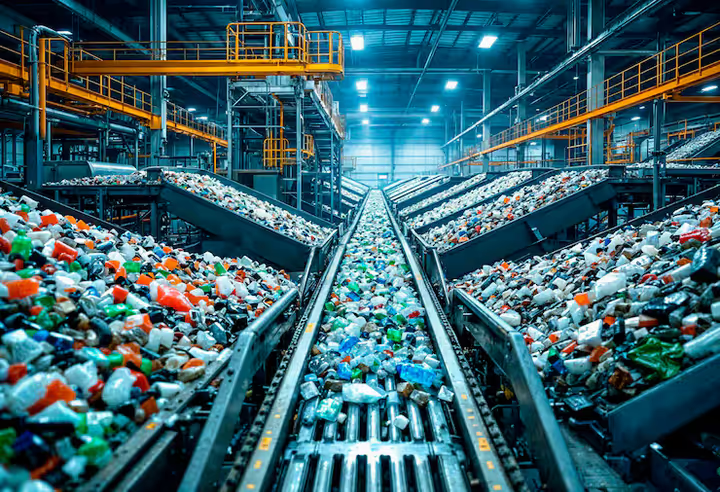
- Recycling and material recovery
- Landfill disposal
- Wastewater and sludge management
- Documentation and compliance support
- Environmental waste assessments
The appropriate solution depends on the composition, quantity, physical form, and regulatory classification of the waste.
Why Proper Industrial Waste Disposal Matters
Industrial waste can contain materials that require specialized handling. Some waste may be relatively low-risk, while other materials can be hazardous because they are toxic, corrosive, reactive, or flammable.
Improperly managed waste can contribute to soil, groundwater, air, and environmental contamination. Modern waste management therefore focuses on controlling waste throughout its lifecycle rather than simply moving it from one location to another.
Environmental Protection
Responsible waste disposal can reduce the possibility of uncontrolled releases and contamination. Proper containment, transportation, treatment, and disposal are particularly important for hazardous materials.
Regulatory Compliance
Industrial businesses may be subject to environmental regulations covering waste generation, storage, transportation, treatment, recycling, and disposal.
For example, in the United States, the Resource Conservation and Recovery Act (RCRA) establishes a framework for managing solid and hazardous waste. Non-hazardous industrial waste is generally addressed under Subtitle D, while hazardous waste is regulated under Subtitle C.
Requirements can vary by state and jurisdiction, so businesses should verify the rules applicable to their facility.
Operational Efficiency
A structured waste management program can help companies reduce unnecessary disposal, identify recyclable materials, improve material handling, and potentially lower waste-related operating costs.
EPA guidance notes that recycling and pollution-prevention measures can potentially reduce regulatory burdens and save businesses money.
Types of Industrial Waste
Industrial waste can take many forms. Correct classification is an important first step because disposal requirements depend heavily on the characteristics of the material.
Non-Hazardous Industrial Waste
Non-hazardous industrial waste may include materials such as:
- Packaging materials
- Scrap metal
- Wood
- Certain plastics
- Paper and cardboard
- Construction debris
- Manufacturing residues
- Non-hazardous sludge
- Certain process wastes
Non-hazardous does not necessarily mean that the material can be discarded anywhere. Industrial disposal facilities and state or local regulations may establish specific requirements.
Hazardous Industrial Waste
Hazardous waste requires additional controls because it may pose risks to human health or the environment.
Examples can include certain:
- Solvents
- Industrial chemicals
- Contaminated materials
- Waste oils
- Chemical residues
- Certain manufacturing sludges
- Batteries
- Contaminated containers
The exact classification depends on applicable regulations and the characteristics or composition of the waste. EPA describes hazardous waste identification as a process involving determining whether material is a solid waste, whether an exclusion applies, and whether it is listed or exhibits hazardous characteristics.
Liquid Industrial Waste
Industrial operations can generate liquid waste from manufacturing processes, cleaning activities, equipment maintenance, and wastewater treatment.
Depending on its composition, liquid waste may require:
- Specialized collection
- Laboratory testing
- Treatment
- Recovery
- Wastewater processing
- Regulated disposal
Industrial Sludge
Sludge can be generated by wastewater treatment and industrial processing systems. Its composition can vary significantly, meaning that testing and proper classification may be necessary before selecting a disposal method.
Construction and Demolition Waste
Industrial projects may generate concrete, asphalt, metals, wood, gypsum, glass, plastics, and other construction materials. EPA identifies these materials as common components of construction and demolition waste.
Where practical, recycling and material recovery can reduce the volume sent to disposal facilities.
How Industrial Waste Disposal Services Work
A professional waste management process generally involves several stages.
1. Waste Identification
The first step is determining what materials are being generated.
Businesses may evaluate:
- Chemical composition
- Physical state
- Quantity
- Source
- Potential hazards
- Applicable waste codes
- Recycling opportunities
Proper classification is important because different waste streams can have different transportation, treatment, storage, and disposal requirements.
2. Waste Segregation
Different waste streams should generally be separated rather than mixed unnecessarily.
For example, recyclable metals, general industrial waste, chemical residues, and hazardous materials may require completely different management processes.
Segregation can improve safety and may increase opportunities for material recovery.
3. Collection and Storage
Waste should be collected in appropriate containers and stored according to applicable requirements.
Hazardous waste may require specialized containers, labeling, secondary containment, inspection procedures, and controlled storage areas depending on the jurisdiction and waste category.
4. Transportation
Some industrial waste requires specialized transportation.
Hazardous materials may be subject to additional transportation requirements, documentation, packaging, labeling, and tracking. In the United States, hazardous waste transportation is part of the broader cradle-to-grave management framework.
5. Treatment and Recovery
Depending on the material, treatment may reduce the volume or hazardous characteristics of waste.
Potential approaches include:
- Physical treatment
- Chemical treatment
- Thermal treatment
- Wastewater treatment
- Recycling
- Material recovery
- Energy recovery
Not every waste stream should be treated in the same way. The selected method should be based on the waste characteristics and applicable regulations.
6. Final Disposal
After recovery or treatment, remaining waste may require final disposal at an appropriately authorized facility.
Industrial waste landfills and hazardous waste facilities are subject to different requirements. EPA describes hazardous waste treatment, storage, and disposal facilities as facilities that manage hazardous waste through treatment, storage, or disposal.
Common Industrial Waste Disposal Methods
Recycling and Material Recovery
Recycling can recover useful materials from industrial waste.
Common recoverable materials include:
- Metals
- Certain plastics
- Paper
- Cardboard
- Glass
- Solvents
- Oils
- Manufacturing by-products
Hazardous waste recycling can also recover useful materials when conducted under applicable regulatory requirements.
Waste Treatment
Treatment can change the physical or chemical characteristics of waste before final disposal.
Treatment may be appropriate for certain chemical, liquid, sludge, or hazardous waste streams.
Landfill Disposal
Landfills remain one component of an integrated waste management system. Industrial waste should be directed only to facilities authorized to accept the particular waste type.
Thermal Treatment
Some waste streams can be treated using controlled thermal processes. The suitability of thermal treatment depends on the waste composition, facility capabilities, emissions requirements, and applicable regulations.
Energy Recovery
Certain waste materials may have energy value and can potentially be used in controlled energy recovery processes where permitted.
How to Choose an Industrial Waste Disposal Service
Businesses should evaluate more than the advertised disposal price when selecting a provider.
Check Applicable Authorizations
Confirm that the service provider and receiving facility are appropriately authorized for the specific waste stream.
Understand the Waste Acceptance Criteria
Ask what types of materials the facility accepts and whether restrictions apply to particular chemicals, liquids, sludges, contaminated materials, or other waste.
Review Documentation
Good waste management involves accurate records. Depending on the waste and jurisdiction, documentation can include:
- Waste descriptions
- Quantities
- Transportation records
- Treatment records
- Disposal documentation
- Recycling records
- Facility information
Consider Recycling Opportunities
A provider should be able to identify situations where recycling, reuse, recovery, or other beneficial management options may be appropriate.
Evaluate Safety Procedures
Ask about container handling, transportation procedures, emergency response, employee training, and spill prevention practices.
Industrial Waste Disposal Costs
The cost of industrial waste disposal can vary substantially.
Factors that can affect pricing include:
- Waste type
- Hazard classification
- Volume and weight
- Physical state
- Container requirements
- Testing requirements
- Transportation distance
- Treatment requirements
- Recycling potential
- Disposal facility fees
- Documentation and compliance requirements
Hazardous materials typically require more specialized handling than ordinary non-hazardous industrial waste.
Businesses should therefore compare quotes based on the total waste management process, rather than comparing only the basic disposal fee.
How Businesses Can Reduce Industrial Waste Costs
Waste reduction can sometimes be more economical than continuously increasing disposal capacity.
Improve Waste Segregation
Separating recyclable and non-recyclable materials can prevent valuable materials from becoming mixed waste.
Reduce Waste at the Source
Companies can examine manufacturing processes to identify unnecessary material consumption, spills, packaging, and production losses.
Increase Recycling
Recovering materials can reduce the amount of waste requiring final disposal and may create opportunities for material value recovery.
Track Waste Generation
Monitoring waste by department, process, material type, and production volume can help identify unusual increases and opportunities for improvement.
Work With Qualified Waste Professionals
A knowledgeable waste management provider can help businesses understand available treatment, recycling, and disposal options.
Industrial Waste Management and Environmental Responsibility
Modern industrial waste management increasingly emphasizes prevention, reuse, recycling, and recovery before final disposal.
EPA's industrial waste guidance provides tools intended to help facility managers and regulators evaluate risks associated with land-disposed non-hazardous industrial waste.
The overall objective is to minimize unnecessary waste while ensuring that materials requiring treatment or disposal are managed safely.
Frequently Asked Questions
What is industrial waste disposal?
Industrial waste disposal is the controlled management and final handling of waste generated by industrial and commercial processes. Depending on the material, management may involve recycling, treatment, recovery, storage, transportation, or final disposal.
What is the difference between hazardous and non-hazardous industrial waste?
Hazardous waste has characteristics or regulatory classifications that can make it dangerous to human health or the environment. Non-hazardous industrial waste does not meet those hazardous classifications, although it may still be subject to disposal requirements.
Can industrial waste be recycled?
Yes. Many industrial materials can potentially be recycled or recovered, including metals, certain plastics, oils, solvents, and other materials. The feasibility depends on the waste composition and applicable regulations.
How is hazardous industrial waste handled?
Hazardous waste generally requires identification, appropriate storage, controlled transportation, and treatment, recycling, or disposal through authorized systems. In the United States, RCRA establishes a cradle-to-grave framework for hazardous waste management.
Is industrial waste disposal regulated?
Yes. Industrial waste management is regulated in many jurisdictions, although specific requirements depend on the waste type and location. In the United States, federal requirements under RCRA work together with state and local requirements.
Conclusion
Industrial waste disposal services play an important role in helping businesses manage waste responsibly. A strong waste management program begins with accurate waste identification and continues through segregation, storage, transportation, recycling, treatment, and final disposal.
Businesses can improve both environmental performance and operational efficiency by reducing waste at its source, increasing appropriate recycling, maintaining accurate records, and working with properly authorized waste management providers.
The most important principle is that waste should be managed according to its actual characteristics and the requirements that apply in the relevant jurisdiction. Businesses should consult applicable environmental authorities and qualified professionals before handling or disposing of regulated waste.